
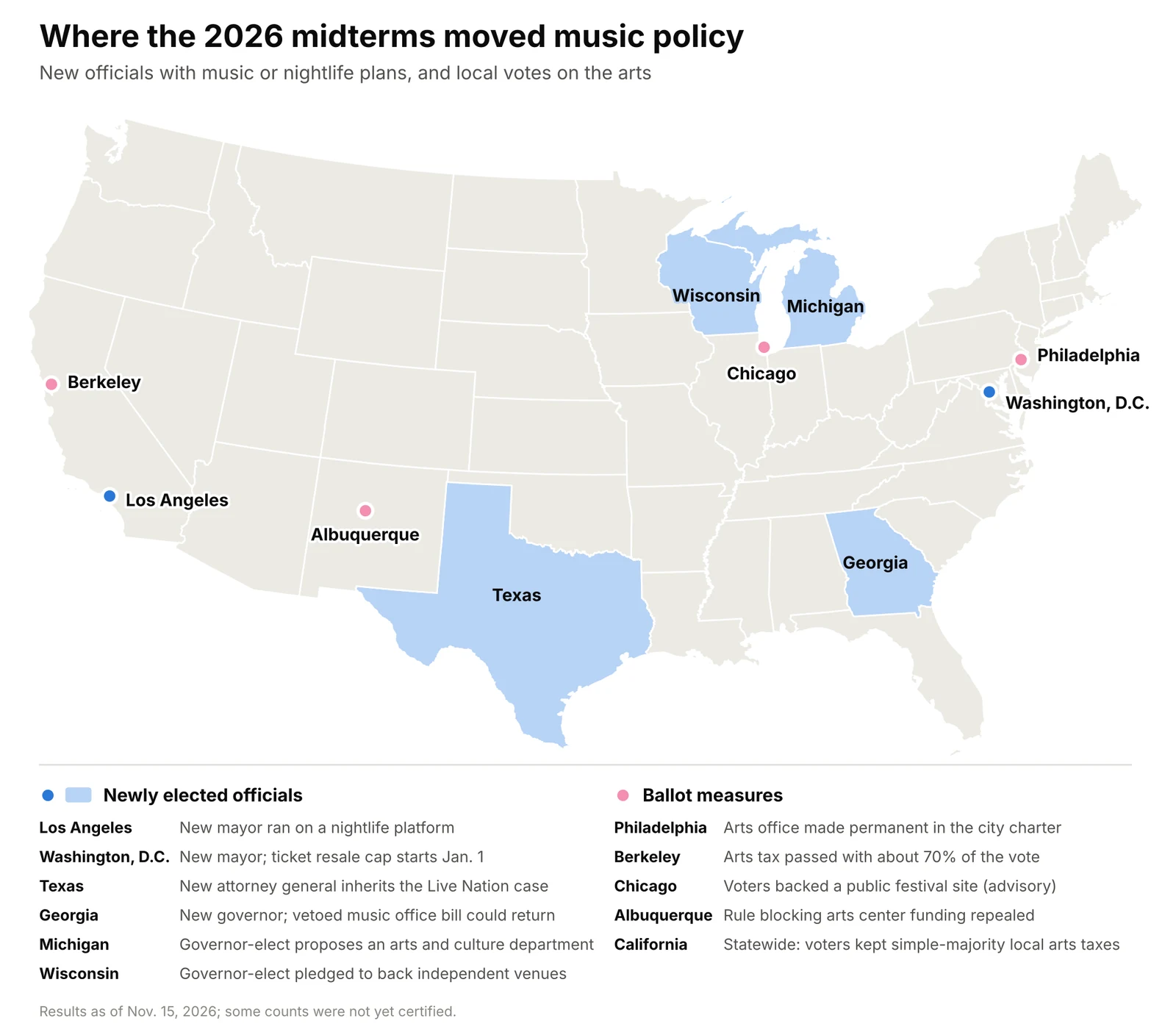
Music won the midterms. Twice. First it helped win them: it was outside the polling places, on the campaign trail, all over the memes and blasting at the victory parties. Then it won on the ballot, in mayors’ offices, statehouses and city charters across the country. Music was loud, it was everywhere!
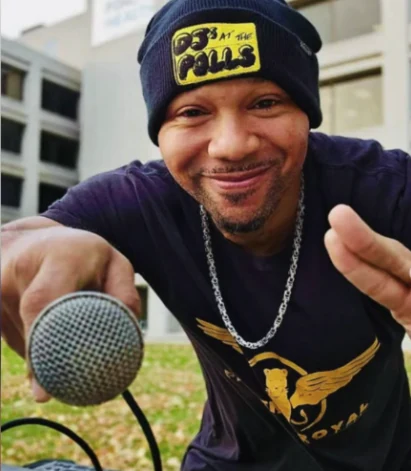
Take the organization, DJs at the Polls, who set up DJ stations at nearly 5,000 individual polling stations across 24 states. One of its Tampa DJs made voters a simple offer: “I’ll bring the vibe, you bring the vote.” Or Rage Against The Machine’s Tom Morello organizing Power to the People Festival, bringing together musical giants from Bruce Springsteen to Killer Mike to Joan Baez in an effort to drive voter turnout and raise awareness. Artists like Tinashe took a stand and told Republican fans they can stop following her, after urging fans to “VOTE OR DIE” followed by blue heart emojis.
VOTE OR DIE ! LETS GO AMERICA 💙💙💙💙💙💙💙💙💙💙💙💙
— TINASHE (@Tinashe) November 3, 2026
In Texas, Congressman-elect Bobby Pulido, a Latin Grammy winning Tejano music star, used live performances at local quinceañeras as a grassroots campaign strategy, and it worked. His 1995 hit “Desvelado” was circulated as a sort of victory song across social media for the Texas blue wave, while Ella Langley’s “Choosin Texas” rang in Talarico and Hinojosa’s historic victories. After the ‘landslide’, it was all capped by Stevie Nicks’ morning after poem of hope.
There has already been some great coverage of what the new Congress means for music. Billboard broke down the coming probes into the Live Nation settlement and StubHub, NAfME mapped out what it means for music education funding, and Michael Whalen laid out a ten-point federal policy agenda for protecting musicians from AI. But most arts funding and nearly all nightlife policy gets decided locally. So this post looks where those pieces don’t: at mayors, governors, attorneys general and ballot measures, starting right here in California.
 View full size
LA, please “Don’t Let the Lights Go Out”
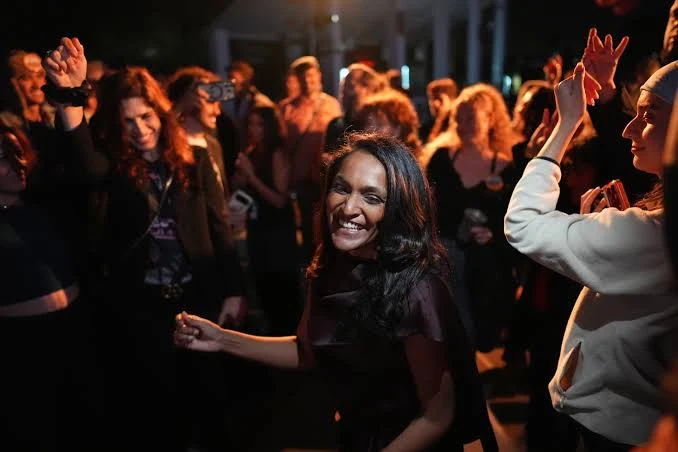
Nithya Raman mounted a successful, completely unexpected bid for Mayor of Los Angeles, filing her candidacy just hours before the deadline. Raman’s political origin story is fascinating, and as another quick rising young politician, she is often compared to Mamdani because of their shared ties to the Democratic Socialists of America.
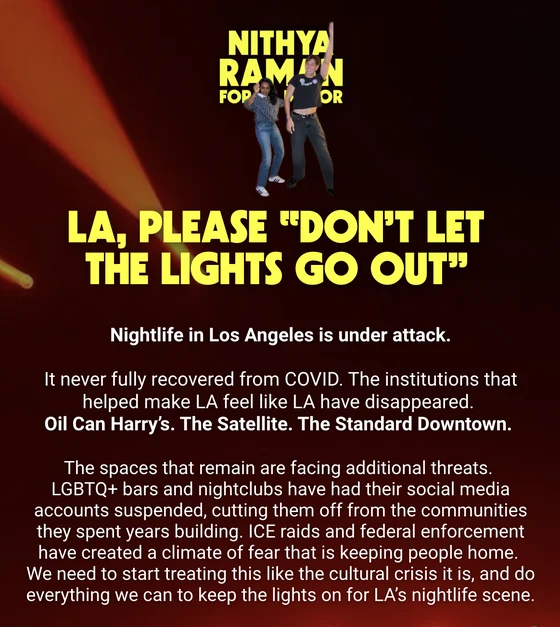
What is so fortunate, however, is that Raman ran on a detailed Nightlife Platform, stating that “Nightlife in Los Angeles is under attack” and that it never recovered from COVID. It is the #2 listed issue on her campaign site and the platform is impressive. Among the highlights are:
- Establishing a Night Mayor position embedded within the Mayor’s Office
- Creating LA’s first permanent Nightlife Commission
- Open Container Entertainment Zones
- Modernizing and Streamlining Permits
- Extending Metro train hours on weekends to align with Nightlife
- Incentivizing entertainment in underutilized spaces
It’s the exact right playbook of priorities, and it makes you scratch your head that a city like Los Angeles does not already have some of this in place. Raman, a Harvard and MIT educated urban planner, clearly knows her stuff and in fact, other than it also being a Talking Heads reference, there could be a coincidental nod to music policy thought leader Shain Shapiro in the last point of her policy titled “This Must Be The Place”, the title of Shapiro’s 2023 book.
Items like appointing the Night Mayor can happen immediately by her sole action, although this leaves the position vulnerable to future Mayors until a future change gets it embedded in city charter. Most items though will depend on her skills as a politician and her support within the city council to get things passed, a relationship described as ‘frosty’ by Politico, with no council member endorsing her run for mayor. Her entertainment zone priority is a catch up to other CA cities like San Francisco, Long Beach, and San Jose taking advantage of Scott Wiener’s SB 969 allowing open-container nightlife corridors. It should do well and is thankfully already in motion via council request a study of where to put the zones Downtown.
The more the public and outside groups can do to support her momentum with this platform, the better she can do with the council, and effect real change in music policy in the second-largest city in the U.S. Raman’s other priorities such as affordable housing and protecting renters are also heavily aligned with creating conditions for musicians to sustain themselves.
With the Olympics coming up in two years, Raman has a real chance to revamp and push LA nightlife into the stratosphere as the Olympics once did for Barcelona, as silly as that may sound for a city that the movies made famous for its nights. I am very excited to follow this, and what Raman can do can go a long way towards efforts for a California Music Office.
Don’t Mute D.C.
Another exciting, young, Democratic Socialist aligned, city council member turned mayor, with an Arts/Nightlife Platform is Janeese Lewis George of Washington, D.C., where Donald Trump threatened to take control federally if she were elected. She won with a huge margin, 84% of the vote, and names supporting, elevating, and preserving Go-Go, a funk offshoot that is the official music of DC, as a priority in her ‘Arts & Culture For All’ plan. Among the other priorities are:
- Restoring the Office of Nightlife and Culture (no director since 2024)
- Creating the Arts and Nightlife Activation Initiative to coordinate relevant departments
- One-stop permitting for events, performances, pop-ups and venues
- Cracking down on ticket resale practices that pull money from indie venues and artists
- Tackling rising liquor liability insurance costs for venues and bars
- Working to reopen the Carter Barron Amphitheatre, a 4,200 seat outdoor venue closed since 2017

The outlook here is strong. DC laws go through congressional review, and the new Democratic Congress makes disapproval less likely. She can restore the Nightlife Office immediately by hiring a Director. At the same time, DC faces a budget shortfall of more than $600 million, possibly limiting larger impact initiatives that would require cuts elsewhere or funding.
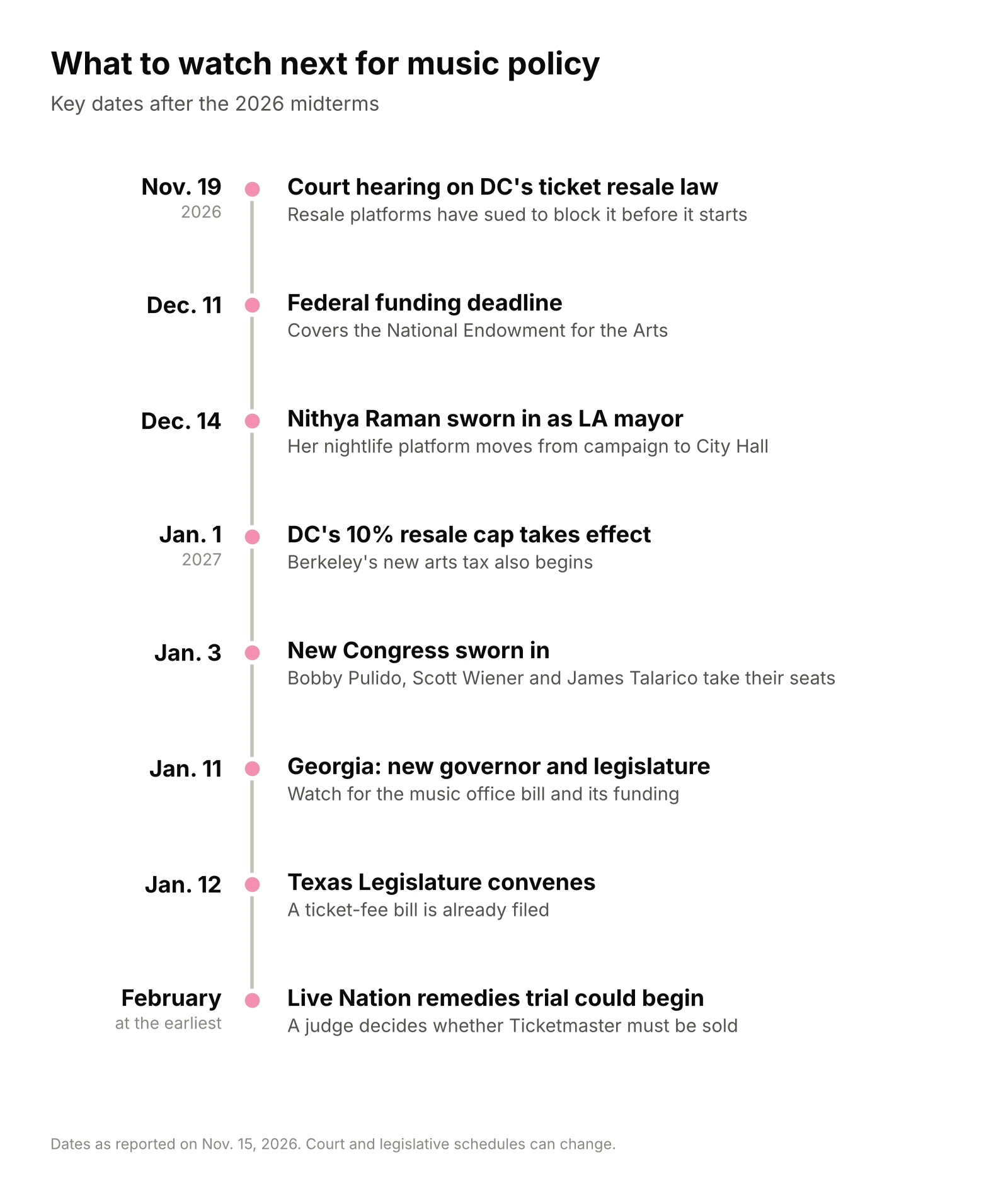
The DC Council already unanimously passed The RESALE Act in July, which goes into effect January 1, 2027. It caps resale markups at 10% over face value, puts limits on service fees, bans speculative sales, and requires anyone selling 50 or more tickets a year to register, amongst other changes. The mayor’s office has the power to adjust things like the service and resale caps, however, the act is now under attack from ticketing re-sale apps like SeatGeek and Gametime, who have sued the District of Columbia to stop it. A hearing on an injunction motion to immediately stop it from being enacted is set for November 19th.
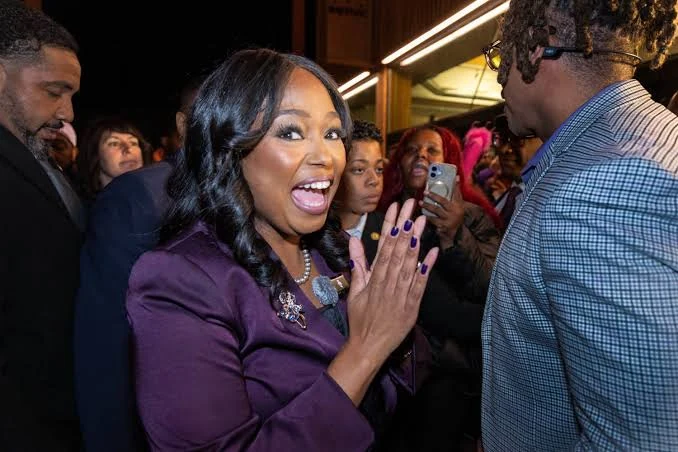
Still, the path ahead for DC seems bright, building on the momentum of the “Don’t Mute DC” movement from seven years ago that led to Go-Go being named the official music of DC in 2020. The mayor's transition team includes Kelsye Adams, who runs preservation organization Long Live GoGo, showing the commitment to nurturing this gem of DC's musical identity. I must admit I had to look up what Go-Go music was, and now I am enlightened and grooving to it as I write. Just goes to show you the level of PR sway a mayor has, from just naming that in her policy.
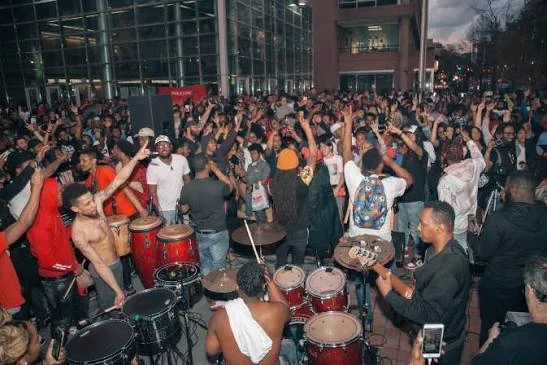
Both mayors take office within weeks, and both have a first test waiting: a council to win over in LA, a lawsuit to fight in DC. I’m excited to see what they do with it. But some fights, like the national fight over ticketing, are too big for any city hall. For that, look to Texas.
Texas Charges Up A Spirit Bomb
Texas is a champion of music policy, leading the charge nationally (see prior post), and somehow got even more musical in the midterms. As I mentioned earlier, Bobby Pulido, a Latin-Grammy winning Tejano music star, was elected to Texas’ 15th congressional district. He emerged as a teen idol in the 90s and is given credit for widening the audience for Tejano music among younger listeners, particularly with his hit single ‘Desvelado’.
He gained attention for his grassroots campaign strategy to perform at quinceañeras across his district in the Rio Grande Valley. The strategy was a clever response after his opponent, incumbent U.S. Rep. Monica De La Cruz, remarked that the race “isn’t about who you want performing at your niece's quinceañera,” and called him a “quinceañera act”. Pulido took the energy from that and translated it into victory, putting out an open call inviting families to have him perform for free. He ended up performing at over 70 quinceañeras, drawing attention and allowing him to directly connect with voters. A simply brilliant use of music in politics and campaign strategy.
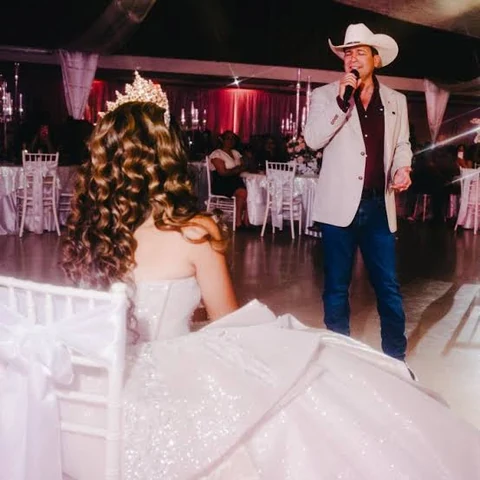
Though there are limits to what he can do as a freshman, another musician in Congress is a wonderful thing, and perhaps he can team up with other music-policy-friendly freshmen like San Francisco’s Scott Wiener to strengthen a national music policy agenda. He likely joins the Congressional Musicians Caucus which was started by another musician & Texas Democrat, Lloyd Doggett, and Pulido could naturally take a leadership role in the caucus after Doggett retires soon.
Pulido didn’t run on music, but issues like radio royalties, artist visas and health care all touch his priorities and affect music. His top issue is immigration, and touring musicians know the system is broken. Visa fees and year-long delays can now add $10,000 or more to a foreign band’s U.S. tour. A fix, the ARTS Act, has passed the Senate before as part of broader immigration bills but never became law. It’s waiting for a champion.
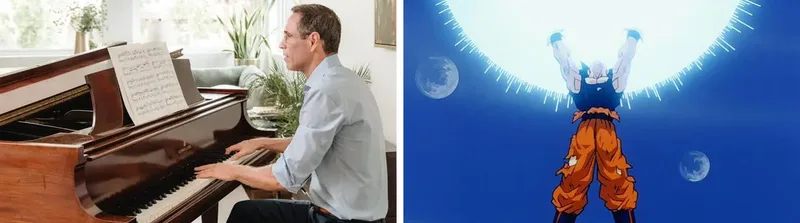
At the state level, disgraced Senate candidate Ken Paxton is on the way out as state Attorney General, and Nathan Johnson is in, with a surprising musical connection. Alongside his career as a litigator, Johnson owned a music production company, and himself scored 67 episodes and five movies of the English dub edition of the iconic Japanese anime Dragon Ball Z.
As state AG, Johnson promises a “back-to-basics” office focused on consumer protection and anti-corruption. He has a few real levers to intersect with music. He alone enforces Texas’s law against ticket bots, just as lawmakers take up a new ticket-fee bill in January, and he’ll set the priorities for the state’s new AI law, which only the AG can enforce. His office also issues the legal opinions that tell cities like Austin how far they can stretch hotel tax money for live music. But the biggest music decision he may be a part of sits in a Manhattan courtroom.
In 2024, the Justice Department and about 40 states sued Live Nation, the world’s largest concert promoter and the owner of Ticketmaster, for illegally dominating concert promotion and ticketing. This March, the DOJ settled mid-trial without forcing a breakup, but Texas was one of more than 30 states' Attorneys General that kept fighting. In April, a jury sided with them on every count, finding that Live Nation overcharged fans at major concert venues.
Now the case moves to a second phase where Judge Arun Subramanian alone decides the penalty, and the states are asking him to force a sale of Ticketmaster. That remedies trial could start as early as February. Johnson won’t get a vote on the outcome, but he does decide whether Texas holds the line. Live Nation’s best move is to peel states off with settlement offers, as six already have, and every state that walks away weakens the case for a breakup. Paxton had already backed one, so the real test is whether Johnson keeps Texas in the fight through a trial and appeals that may not wrap up until 2028. My sense is he’ll hold the line, and he knows better than most that this is like the Spirit Bomb from Dragon Ball Z: it only works if everyone keeps lending their energy.
Across the rest of the stage of Texas’ historic turning point, Senator-elect James Talarico became country music’s most coveted stage guest, appearing at Willie Nelson, The Chicks, and Kacey Musgraves concerts to rally support. After his victory, viral meme rap tracks like ‘Talafreako’ emerged in celebration, and Ella Langley’s ‘Choosin’ Texas’ became the victory anthem in celebratory videos. Talarico, a former theater kid and public school teacher, co-authored a Texas bill that would have put hundreds of millions into school music and arts programs had it succeeded, and he ran on making AI companies ‘follow the same copyright laws as everyone else.’ With the Senate’s leading voices on AI and artists’ rights heading out the door, that pledge could make him a key new ally for musicians.
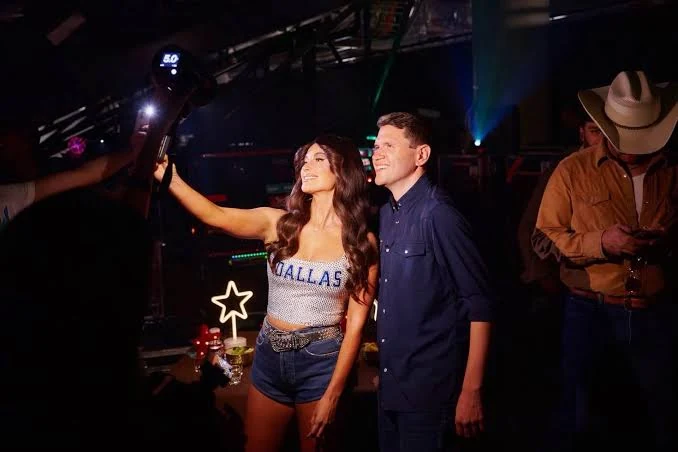
Hinojosa, meanwhile, now runs the office every other state should be trying to copy. The Texas Music Office reports to the governor, and she’ll also hold the pen on next year’s state ticketing bill. The last time a Democratic Governor held office in Texas (Ann Richards in 1991), the Texas Music Office was created. Here’s to hoping that under Hinojosa, it is sustained, strengthened, and expanded. I feel good about ‘Choosin’ Texas’ to keep championing and driving forward music policy as an example for the nation.
“Come See”: Music Offices on My Mind
Further east in the Sun Belt, Georgia got a new governor with music ties. Keisha Lance Bottoms, former mayor of Atlanta, is the daughter of Major Lance, an accomplished R&B singer in the 60s with multiple hit songs (including a #5 hit), and a legendary performer who also gained a cult following in the U.K.
As mayor during the pandemic, Bottoms supported creatives by getting relief checks into musicians’ and gig workers’ hands, however she was criticized for cracking down and being too tough on nightlife during a rise in violent crime. Still, the seeds for Atlanta’s current Nightlife Office were planted during her mayoral tenure, and the outlook seems good for a revival of the fight for a Georgia Music Office. Will Bottoms spearhead getting it back up for a vote?
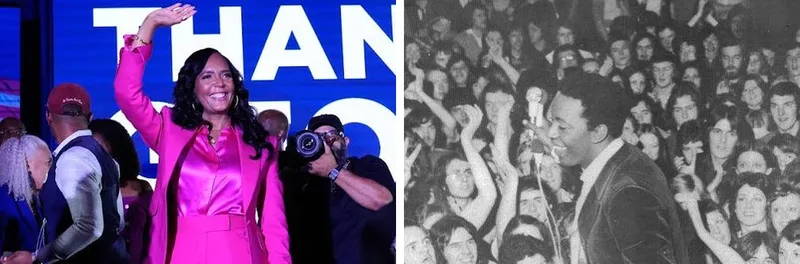
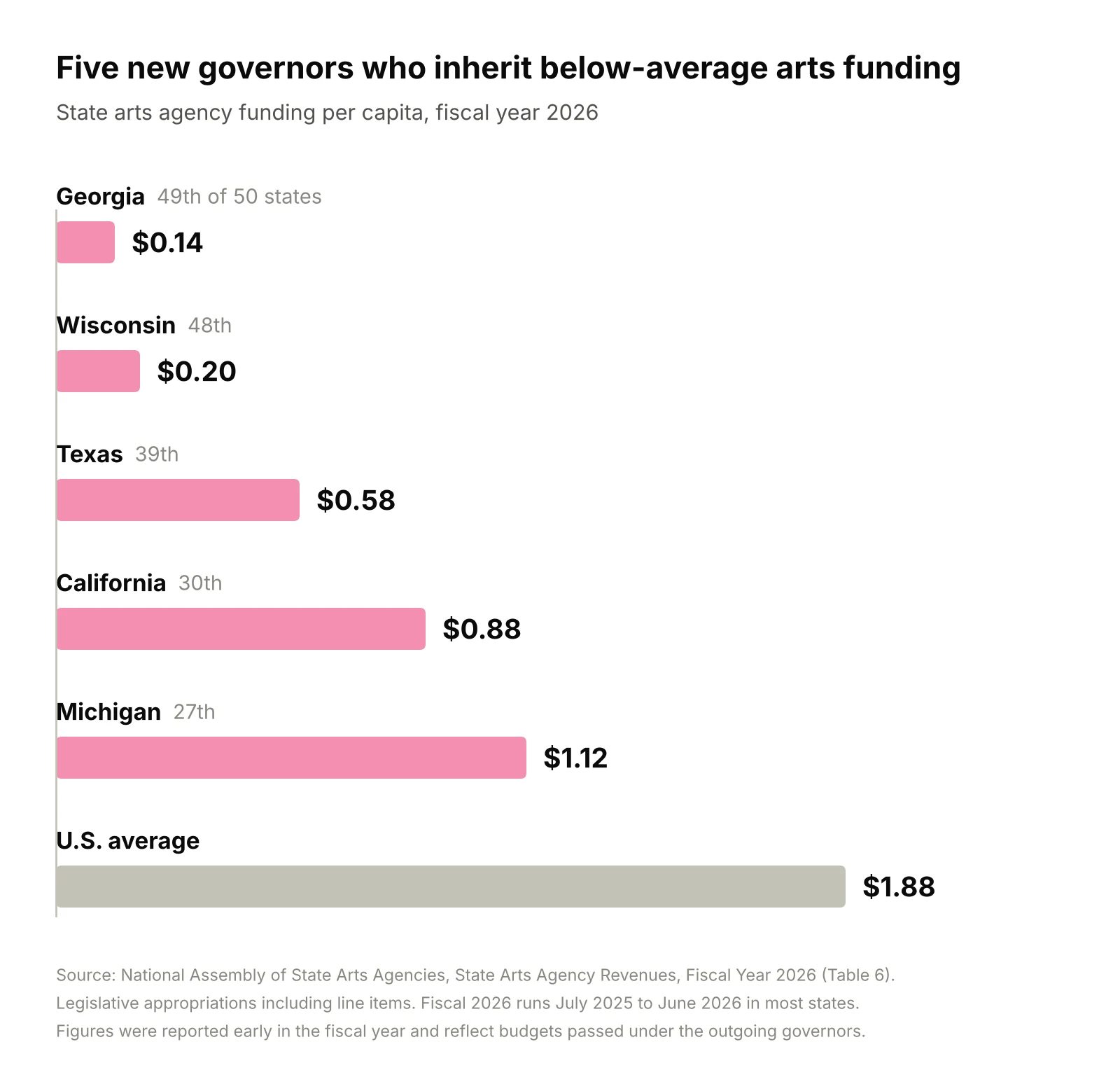
The prior bill, HB 14, passed with overwhelming support from both sides of the aisle, and aimed to amplify an industry that Georgia Music Partners estimates at $5B in annual economic impact. Governor Brian Kemp vetoed the bill, calling the associated costs “unnecessary” and saying that the legislature has not voted to fund the office. Bottoms should be able to empathize with the issues facing modern musicians, writing in her memoir about her father’s financial struggles, despite being Grammy-nominated and having “a successful career.” The next move to watch is whether she sets aside funding for this when she presents her full legislative and budget agenda in the first session. Georgia currently ranks 49th for state arts agency funding per capita. We are hoping Georgia can “Come See” about a music office again.
 View full size
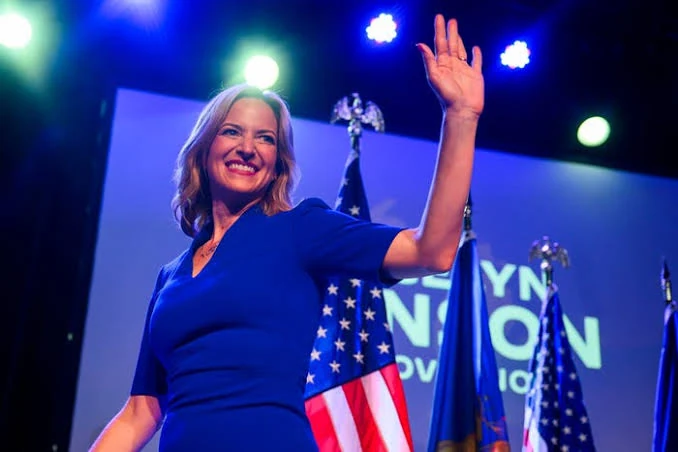
Two more states to watch for a potential Music Office are Michigan and Wisconsin. Jocelyn Benson is Michigan’s governor-elect and ran on a big idea to create a state-level Arts/Culture/Tourism/Sports department, seeing it as a method to attract “musicians, filmmakers (and) sporting events that can generate additional economic revenue.” She’s repeated the goal since getting elected, and with a Democratically controlled state legislature, she could make it happen. The scope is ambitious, and music risks getting lost within it, but it is a step in the right direction.
Next door, David Crowley made history as the first Black governor of Wisconsin, and at 40, will be one of the country’s youngest governors. His rise was improbable: running as a moderate, he dropped out of the Democratic primary at one point, only to re-enter 10 days later to narrowly defeat a democratic socialist candidate, and then beat Trump-backed Tom Tiffany.
During the campaign, Crowley said all the right things. He pledged to back the music and event production industries with an eye toward independent venues and producers, “not mega-monopolies.” He promised to raise funding for the Wisconsin Arts Board, in a state that ranks 48th in the nation at just 20 cents per capita, against a national average of about $2. He said he’d fully fund public schools so districts aren’t forced to cut music programs when budgets get tight, and he talked up Wisconsin as a national destination for arts, music and cultural tourism.
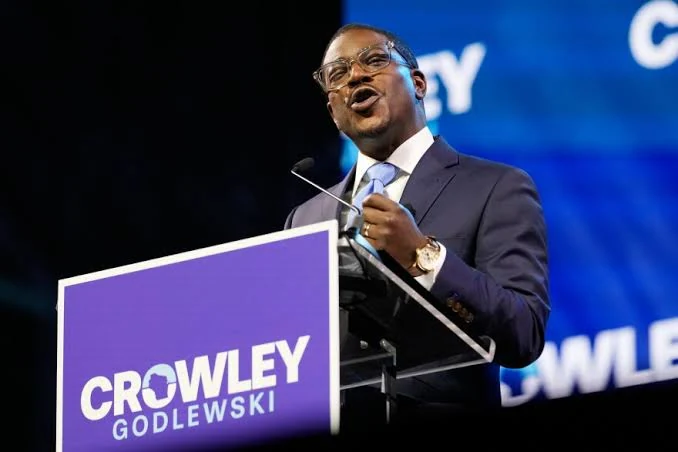
Now he has the power to do it. Democrats won both chambers of the Legislature, giving the party full control of state government for the first time in over a decade. The clearest test is that 20-cent figure: his first budget will show what “moving toward the national average” looks like for Wisconsin. The next is whether “not mega-monopolies” becomes policy. Wisconsin is one of the states still fighting Live Nation in court, and a governor who means it could go further with grants or tax relief aimed at independent venues. If he wants Wisconsin to be a music destination, there’s the Texas-tested tool sitting right there: a state music office.
People Have the Power: Voters Fund the Arts Themselves
Not every music policy win this election came with a candidate attached. In several cities, voters decided directly.
- Philadelphia voted by roughly 84% to make its arts and culture office a permanent part of the city charter. No future mayor can quietly shut it down, and the office has been doing great work, as I touched on here.
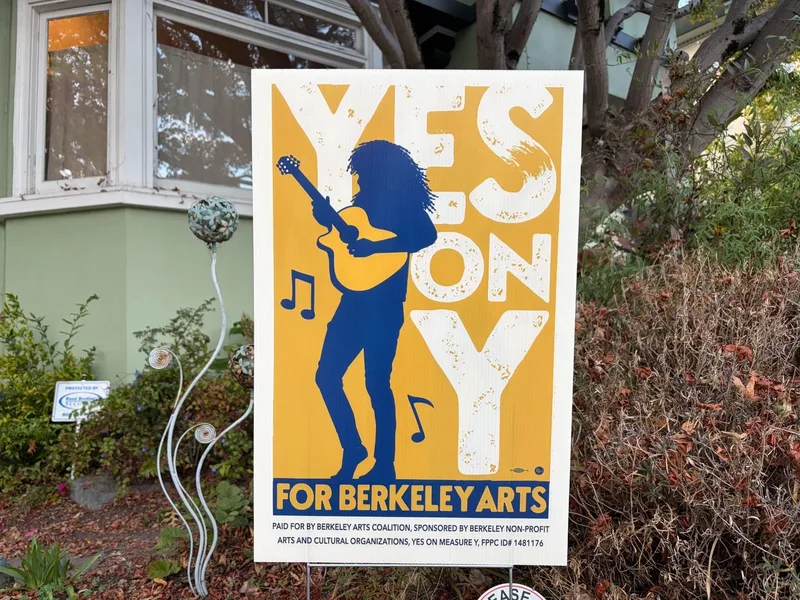
- Berkeley passed Measure Y, a small property tax expected to raise about $85 million over 12 years for local arts groups. It got there as a citizen initiative, which meant it needed only a simple majority, although it ended up getting nearly 70% of the vote.
- California voters rejected Prop 43, which would have raised the citizen initiative bar to two-thirds. So the Berkeley playbook is still open to any city in the state.
- Chicago voters said yes, by about 68%, to an advisory question on building a permanent public festival and event space. It’s non-binding, with no site or budget yet, but it’s a clear signal.
- Albuquerque untied its own hands. Voters scrapped a 1990s rule that blocked the city from spending more than $10 million on a performing arts center without a public vote. The council can now fund a venue like any other project.
Not everything went music’s way. In my own San Francisco, voters passed Prop D, which makes it much harder for grassroots groups to put a measure on the ballot at all. That one deserves its own breakout post, and it’s coming soon.
Washington will have its say too. Federal arts funding expires December 11, new majorities have promised hearings on the Live Nation settlement, and the AI bills protecting artists need new sponsors. Billboard, NAfME and Michael Whalen have that covered. Those fights will make headlines. The quieter ones in city halls and statehouses may matter more to working musicians.
 View full size
Step back and the pattern is hard to miss. Two big-city mayors ran on nightlife and won. Texas sent a Tejano star to Congress and put a Dragon Ball Z composer in charge of its Live Nation case. Georgia, Michigan and Wisconsin all have new governors with openings to build something lasting for music. And where politicians couldn’t act, voters did it themselves.
California has a new governor too. Xavier Becerra inherits a state that ranks 30th in arts funding, at 88 cents per capita against a national average of $1.88. Asked about that gap during the campaign, he said California has to “restore the investments in our arts and culture,” with no number attached. It’s a good sentence, but it isn’t a budget line yet.
The question now is what gets written down. Promises made on the campaign trail last as long as the person who made them. Offices written into law, budgets and charters outlast them. That’s the work of the next few years, and it’s why I keep coming back to the same idea for my own state: California needs a music office, and after this election, it may soon have more examples to follow than ever.
On Election Day, a Tampa DJ made voters a simple deal: he’d bring the vibe if they’d bring the vote. Both sides delivered. Now it’s the winners’ turn. We saw the opening act, now for the headliner. Music won. Now bring on the policy.
- Brian